Working at height remains one of the leading causes of workplace injuries across construction, facilities management, warehousing and industrial sectors. Whether you’re installing lighting, carrying out maintenance, or managing a full-scale construction project, selecting the correct access equipment is critical for both safety and efficiency.
We want our customers uninjured! This guide explains the main equipment options available and how to choose the right solution for your job.
What counts as “working at height”?
You’re working at height whenever someone is working in a place where a fall, even a relatively short one, could reasonably cause injury. Safe Work Australia stipulates that if you are a person conducting a business or undertaking, you have a duty to keep workers and workplaces safe from the risks of working at height. Examples of equipment used in working at height include:
- Ladders or platforms
- Mobile elevated work platforms
- Working on roofs or fragile surfaces
- Scaffolding
Whether you are working on a roof, a building site, accessing high shelving in a warehouse or painting your ceiling, appropriate caution needs to be taken.
Choosing the right equipment
The correct equipment depends on several factors, such as:
- Working height required
- Duration of the task
- Ground conditions
- Weight of personnel and materials
- Indoor or outdoor use
- Frequency of repositioning
- Required outreach (horizontal reach)
Below are the most common equipment options and when they’re most suitable.
Ladders and step ladders
These are best for short-duration, low-risk tasks. Ladders are suitable for light, quick jobs where three points of contact can always be maintained. However, they should not be used for tasks that require heavy tools, extensive movement, or long working periods. Ladders are easy to transport, quick to set up, and cost-effective. They do have limitations, however, including limited stability. They are not ideal for prolonged work, and they have a higher fall risk than platforms. For many commercial or industrial environments, safer alternatives are often recommended.
Scaffolding
For medium-duration jobs that require a stable platform, scaffolding provides a larger working platform and greater stability than ladders. They are ideal for decorating, installation, and maintenance tasks. Guardrails provide fall protection, and there is room for tools and materials. Scaffolding must be used on stable ground and be regularly inspected to ensure it is maintained.
Scissor lifts (vertical access)
When straight-up access for multiple workers or heavy tools is needed, scissor lifts can be your answer. They provide a secure, vertically guarded platform. Scissor lifts are ideal for indoor maintenance, warehouse operations, and construction work where horizontal reach is not required. Their high weight capacity is a major advantage, and they are ideal for longer tasks.
Boom lifts (cherry pickers)
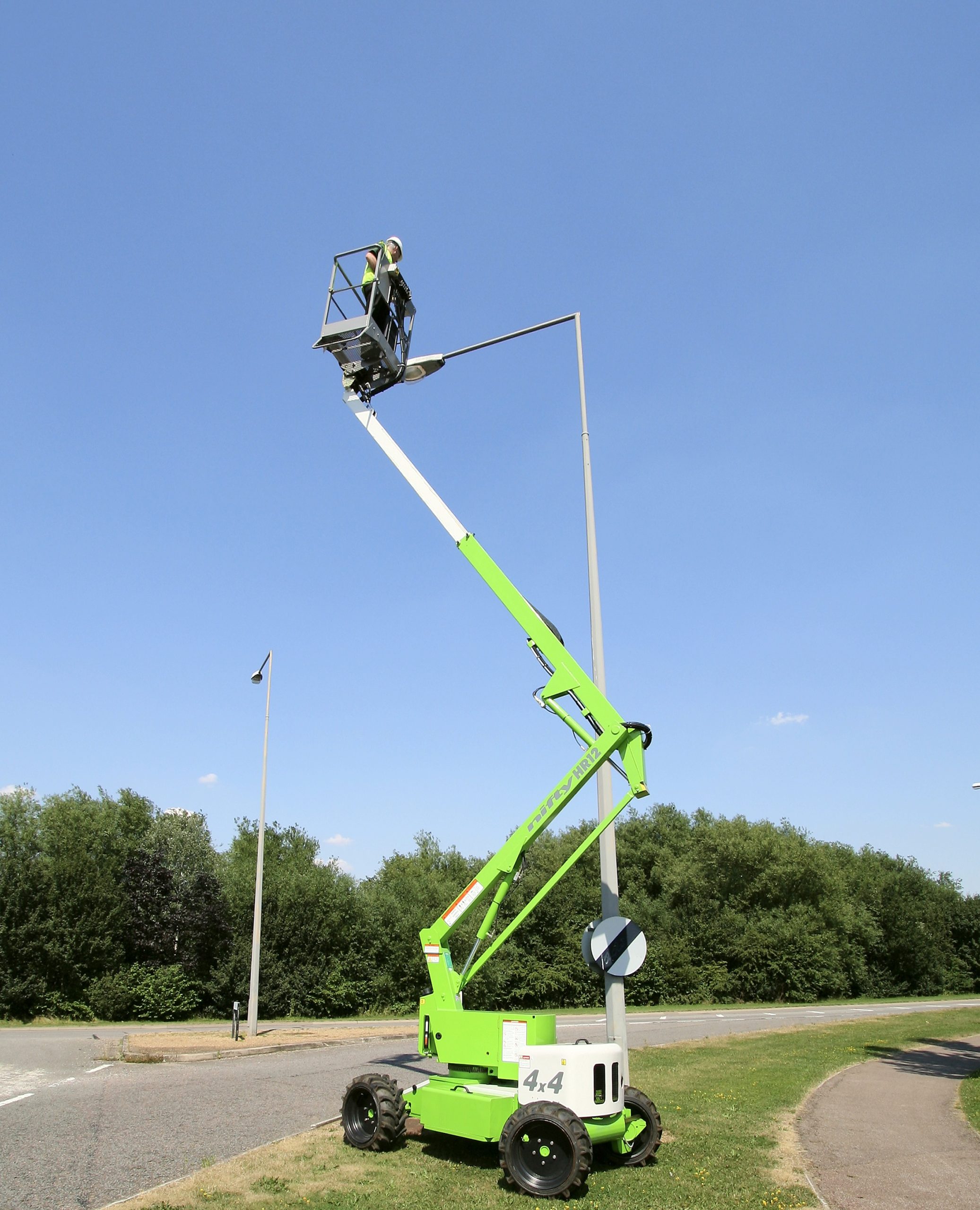
For hard-to-reach areas, boom lifts provide both vertical and horizontal reach, making them suitable for working on roofs, exterior building maintenance, tree work and large construction projects. Articulating boom lifts are ideal for manoeuvring around obstacles. Telescopic boom lifts are better for straight-line outreach at greater heights. These machines offer flexibility but require trained operators.
Safe working at height is all about minimising risk to ensure safety. Be sure to consider stability, access constraints, and load requirements before you start, as this will influence your equipment choice. If you’re unsure which solution is right for your project, professional guidance can help ensure safety, compliance, and productivity from the outset.